Authors:
Historic Era: Era 3: Revolution and the New Nation (1754-1820s)
Historic Theme:
Subject:
Winter 2026 | Volume 71, Issue 1


Authors:
Historic Era: Era 3: Revolution and the New Nation (1754-1820s)
Historic Theme:
Subject:
Winter 2026 | Volume 71, Issue 1

Even more important than the substance of Marshall’s rulings was what they said about the power of the Supreme Court and the nature of the Constitution.
Winter 2026 | Volume 71, Issue 1
Editor’s Note: Richard Brookhiser is a senior editor at the National Review and author of over a dozen books, including ones on George Washington, James Madison, and Alexander Hamilton. Portions of this essay appeared in his splendid book John Marshall: The Man Who Made the Supreme Court. President George W. Bush awarded Brookhiser the National Humanities Medal in 2008.
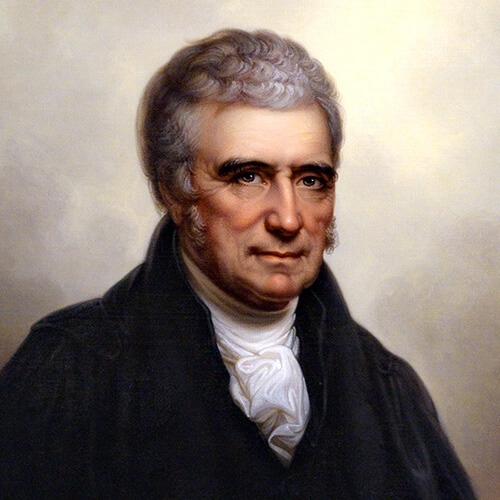
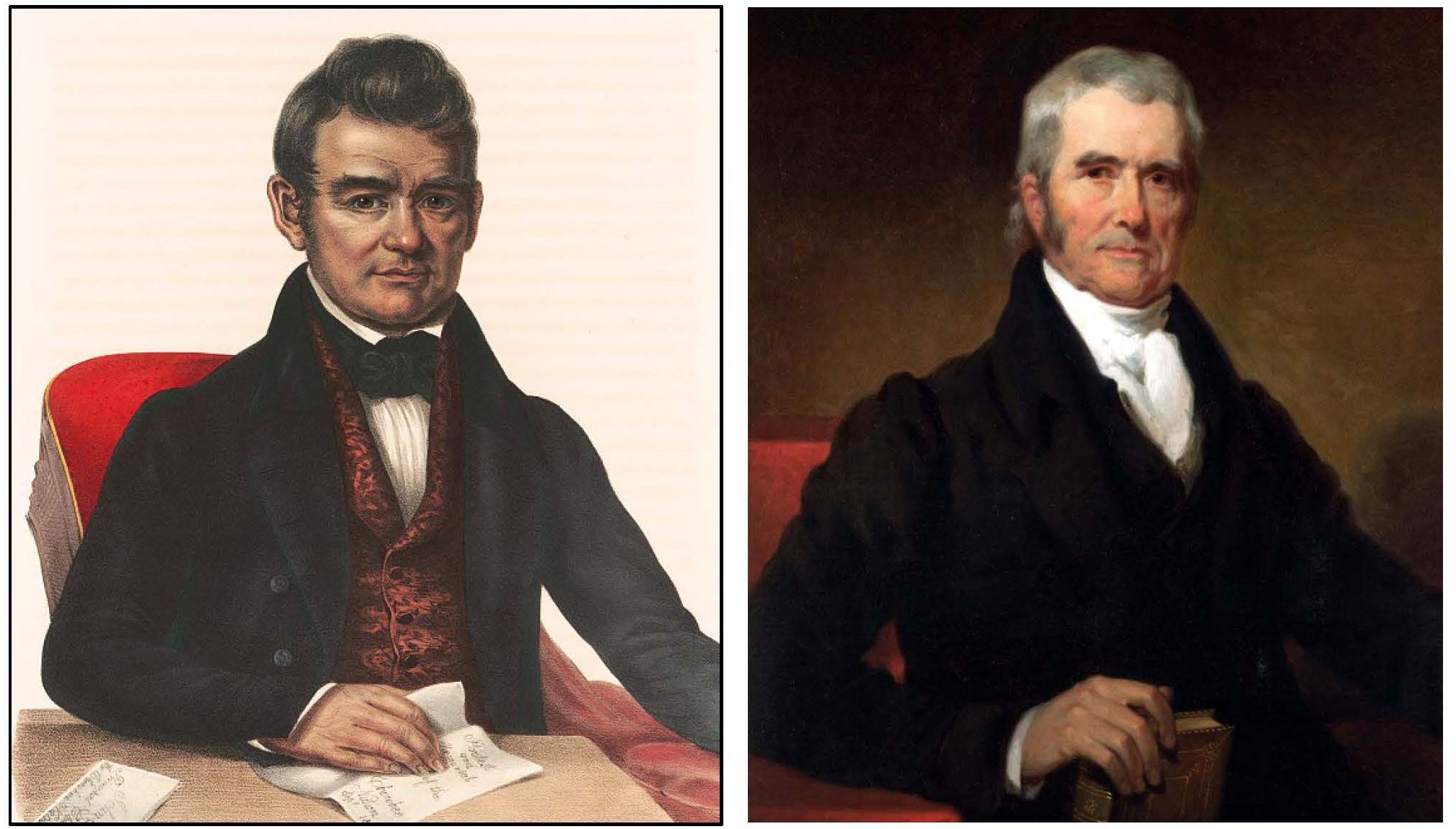
As chief justice of the Supreme Court for thirty-four years — a record that still stands — John Marshall impressed, charmed, and defied colleagues, skeptics, and enemies, transforming an institution to which the Founding Fathers had given relatively little thought into a pillar of the nation.
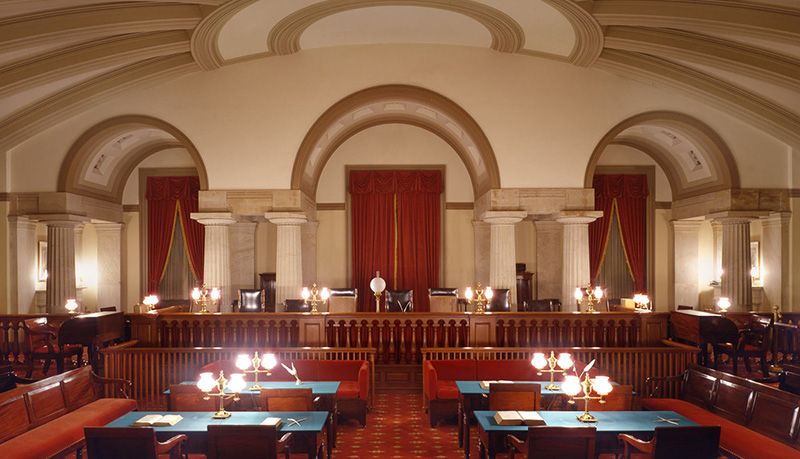
In 1801 when Marshall became chief justice, the job lacked “dignity,” as one contemporary put it, while the judiciary was, in the words of another, the “weakest” branch of the federal government. When Marshall died in 1835, he and the Court he led had rebuked two presidents, Congress, and a dozen states and laid down principles of law and politics that still apply.
In his rulings, Marshall he made the Supreme Court a definer of its own powers and a peer — sometimes, the superior — of Congress and the president. Now, when the Supreme Court makes the news every day it sits, and every time a new justice must be appointed, there is no question of its prominence. It owes that prominence, in the first instance, to Marshall, the man who made it.
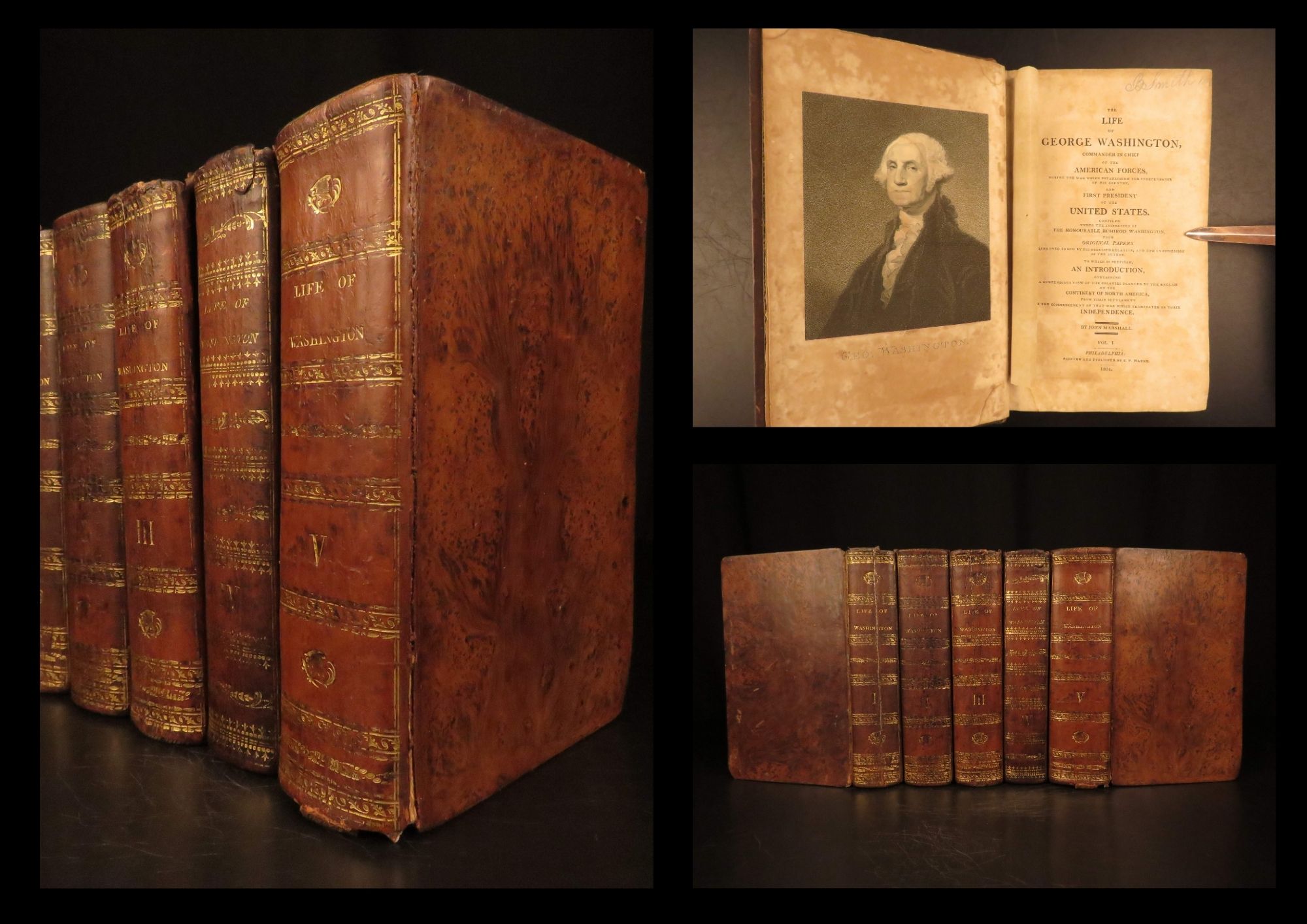
But the most formative experiences of Marshall’s life came not in court but in battle. That was where he met George Washington, the man he called simply “the greatest Man on earth,” whose example would inspire and guide him for the rest of his life. The revolutionary army that Washington led drew patriotic young men like Marshall from every state who risked privation, injury, and death for their common country. The man who commanded them struck the enemy where he could and stood firm when he had to; he was judicious, brave, and a leader of men.
For the rest of his life, John Marshall saw Washington as his commander and himself as one of his troops. In 1787, Washington left his postwar retirement to preside over the Constitutional Convention in Philadelphia. Marshall, still in his early thirties, was not yet eminent enough to be sent as a delegate to that meeting, but in 1788, he served in the Virginia Ratifying Convention in Richmond, defending the Constitution that Washington had signed.
In 1798, Washington summoned his former junior officer to Mount Vernon and told him to run for Congress; Marshall obeyed. In 1799, after the great man died, it was Marshall who eulogized him, on the floor of the House, as “first in war, first in peace, and