Authors:
Historic Era:
Historic Theme:
Subject:
Winter 2026 | Volume 71, Issue 1


Authors:
Historic Era:
Historic Theme:
Subject:
Winter 2026 | Volume 71, Issue 1

The "People's House" has long been shaped by the visions and priorities of its occupants, from Jefferson’s colonnades to Truman’s monumental gutting.
Winter 2026 | Volume 71, Issue 1
Editor's Note: Stewart McLaurin is president of the White House Historical Association, and author of James Hoban: Designer and Builder of the White House. A version of this essay first appeared on the WHHA website.
The White House serves numerous functions: home to the president and his family, office for the president and his staff, ceremonial stage on which our nation welcomes its most important visitors, and a museum that welcomes over 500,000 visitors every year.
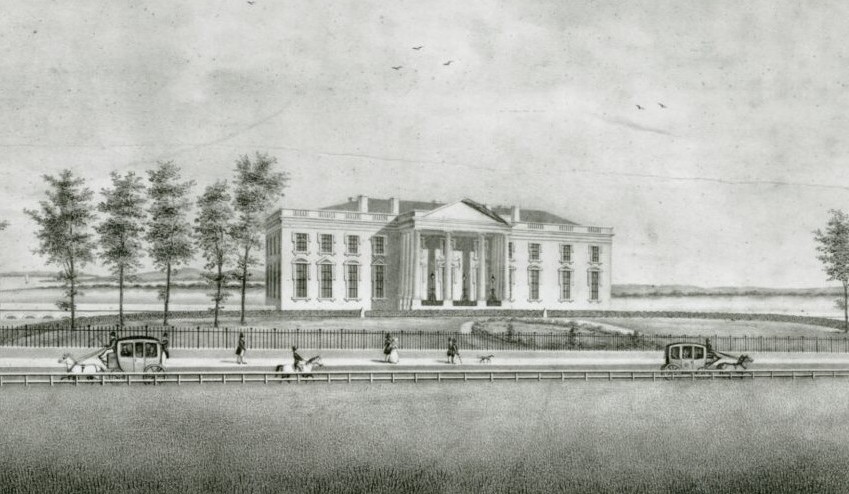
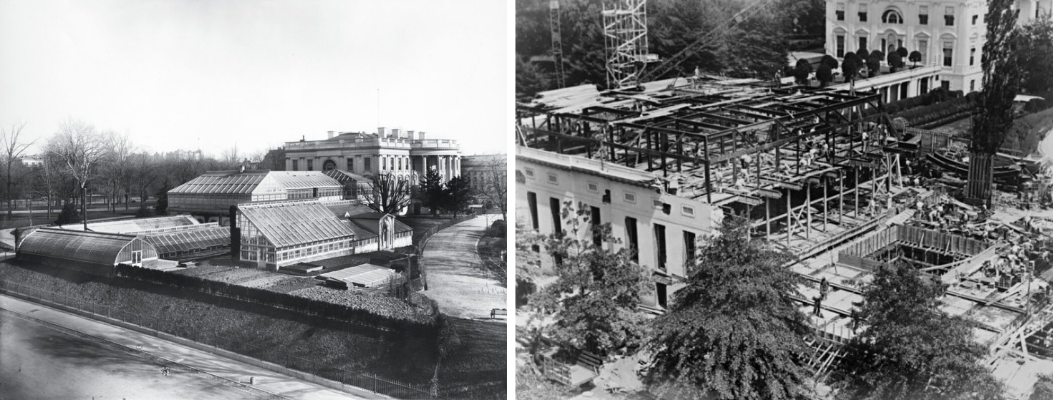
The current changes are only the latest transformations that this iconic building has undergone since its construction began in 1792. These alterations, driven by the practical needs, personal tastes, or political motivations of presidents and their families, have often sparked controversy, drawing scrutiny from the media, Congress, and the public, who view the building as a symbol of national heritage.
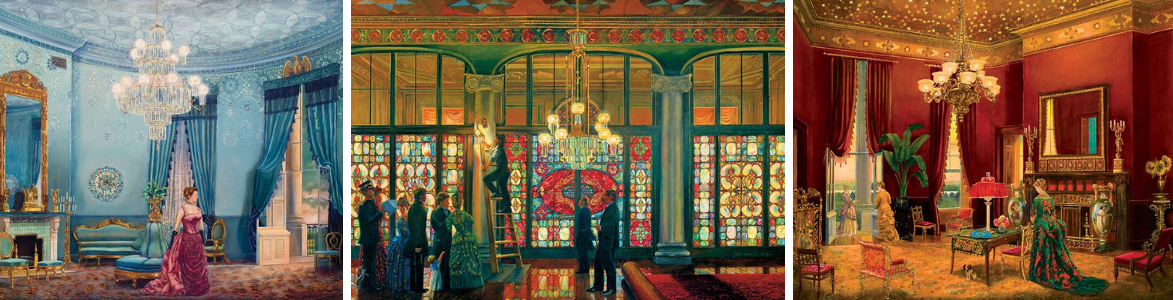
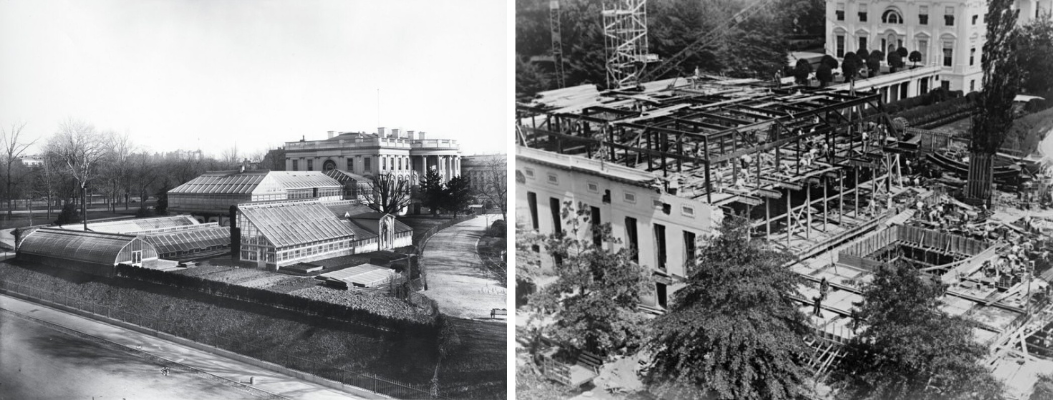
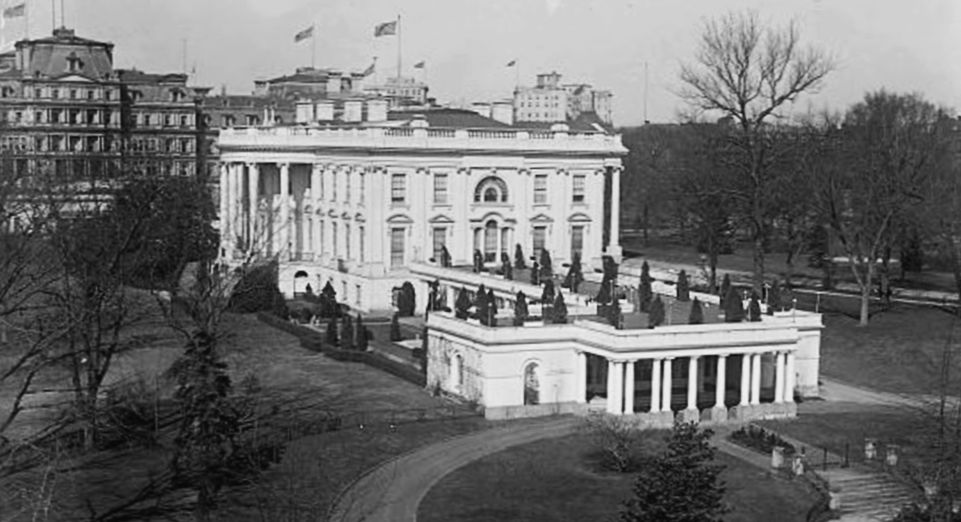
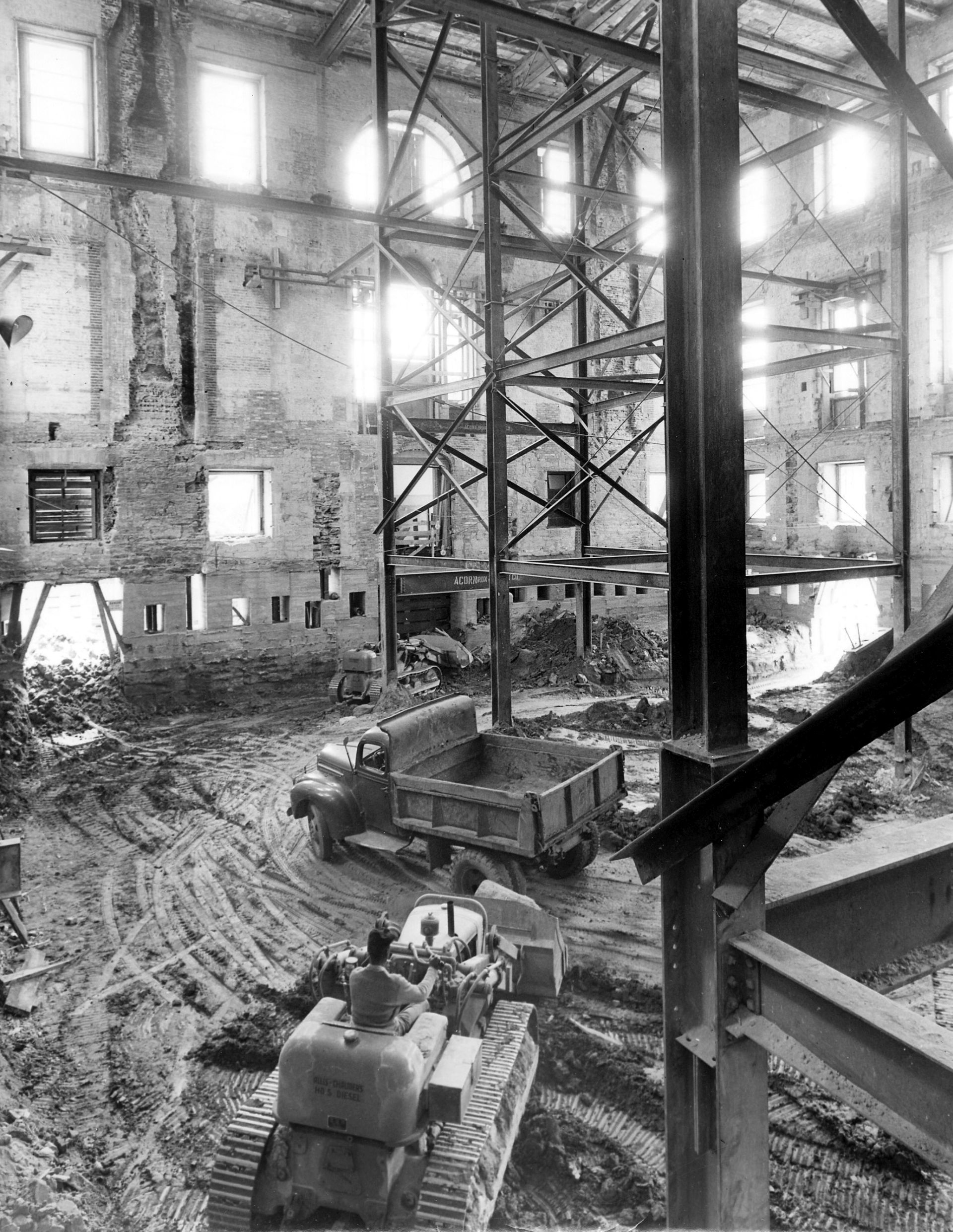
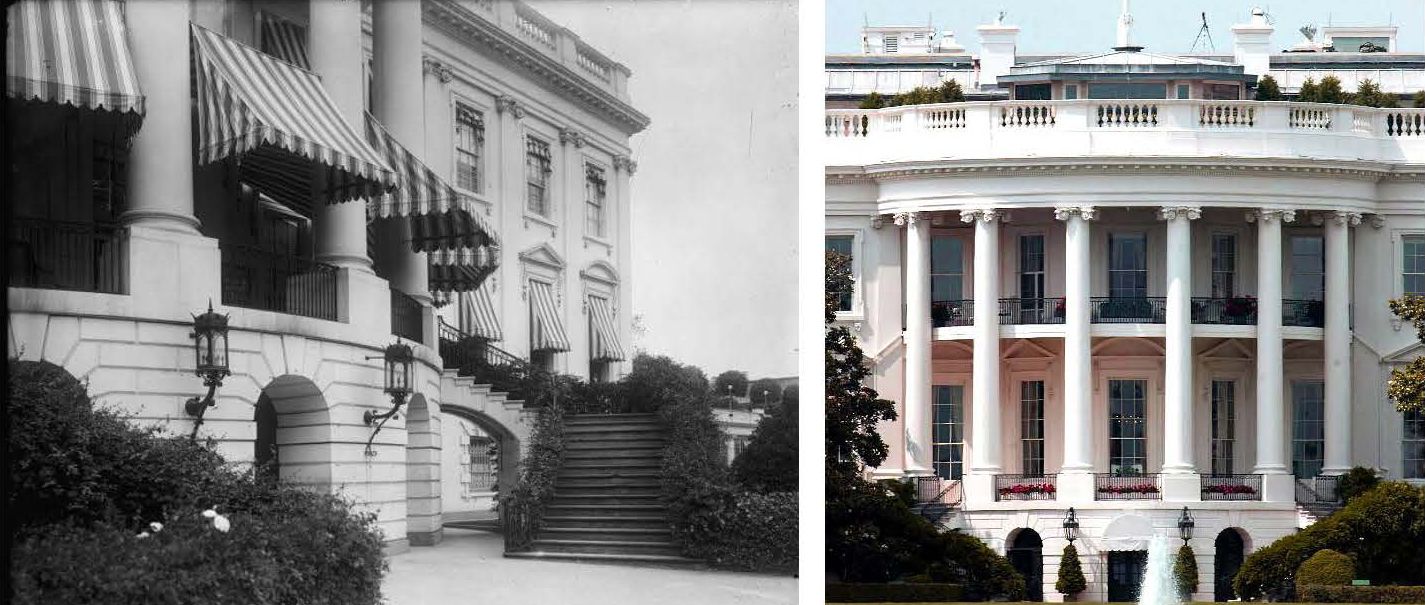
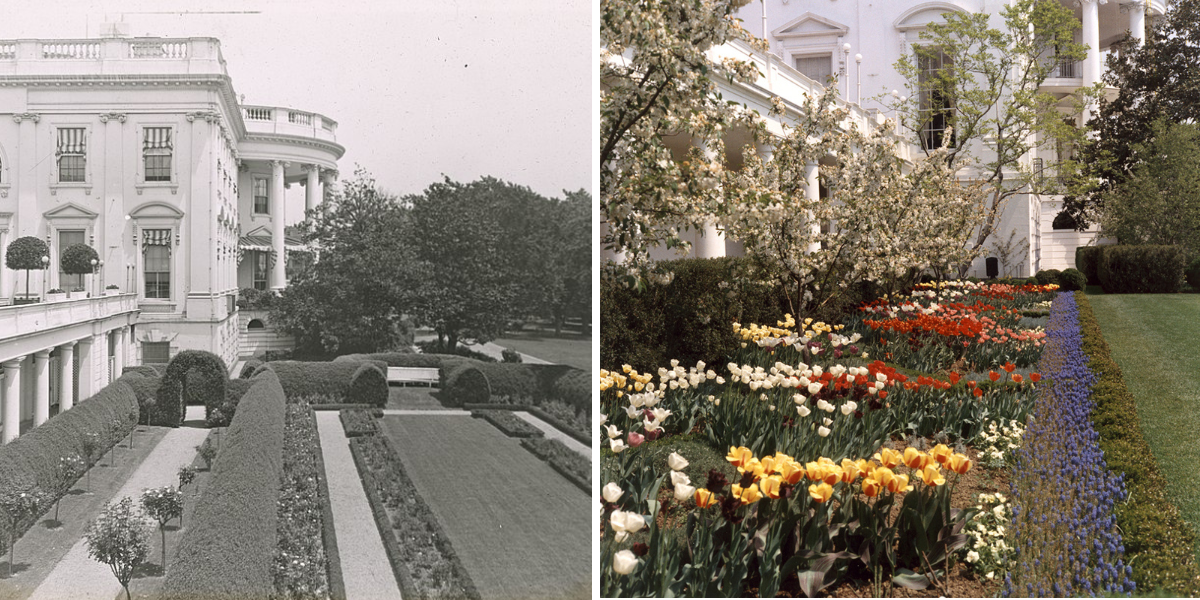
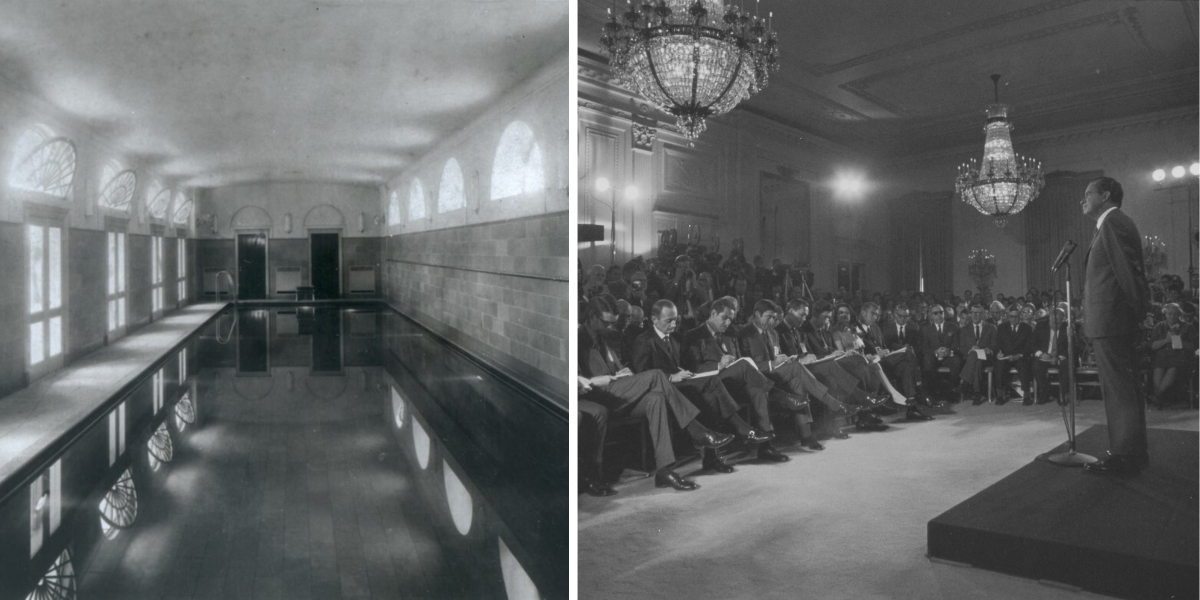
Significant changes to the White House have included Thomas Jefferson’s colonnades, Theodore Roosevelt’s West Wing, Franklin Roosevelt’s East Wing, Harry Truman’s balcony and the monumental gutting of the White House, Jacqueline Kennedy’s Rose Garden, Richard Nixon’s press briefing room, the evolution of the East Room and State Dining Room, the transformation of the Lincoln Bedroom, Bill Clinton’s closure of Pennsylvania Avenue, the White House fence height increases, and other historic examples such as Andrew Jackson’s North Portico and Chester Arthur’s opulent redecoration.
Examining these transformations provides context and precedent for more recent changes and adaptations.
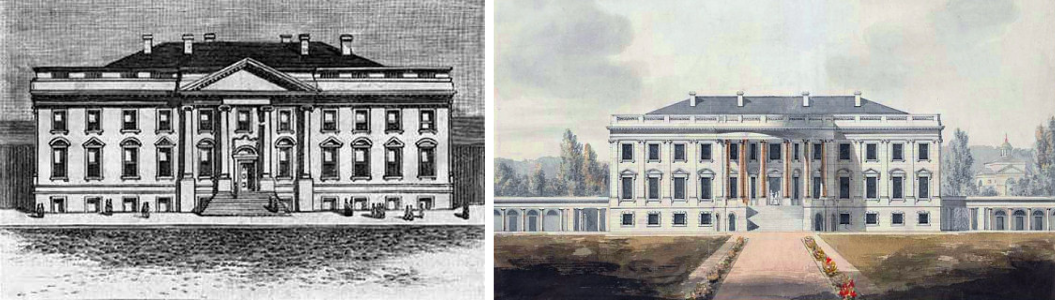
Thomas Jefferson, the third president and an accomplished architect, envisioned the White House as a reflection of classical ideals. During his presidency, he added the east and west colonnades to connect the main residence to service buildings, enhancing both functionality and aesthetic symmetry. These covered walkways, inspired by Palladian architecture, facilitated staff movement and added a refined architectural element to the White House.
Jefferson’s colonnades faced immediate criticism for their cost and perceived extravagance. The National Intelligencer published editorials questioning the necessity of such embellishments for a government building, especially given the young nation’s financial constraints. In Congress, Federalist opponents argued that Jefferson’s alterations reflected aristocratic tendencies, clashing with the democratic simplicity the White House was meant to embody. Nevertheless, the colonnades proved durable and functional, becoming integral to the White House’s layout.
Under President Andrew Jackson, the White House gained one of its most iconic features: the North Portico. Added in 1829–1830, this grand entrance, designed by architect James Hoban, addressed the building’s lack of a formal entryway on its northern side. The portico, with its imposing columns, aligned with the South Portico also added by President James Monroe after the original White House was rebuilt from the British fire, and gave the White House a more balanced