
Authors:
Historic Era:
Historic Theme:
Subject:
Spring 2026 | Volume 71, Issue 2



Authors:
Historic Era:
Historic Theme:
Subject:
Spring 2026 | Volume 71, Issue 2

An in-depth understanding of the impact whaling had on the 19th-century world.
Spring 2026 | Volume 71, Issue 2
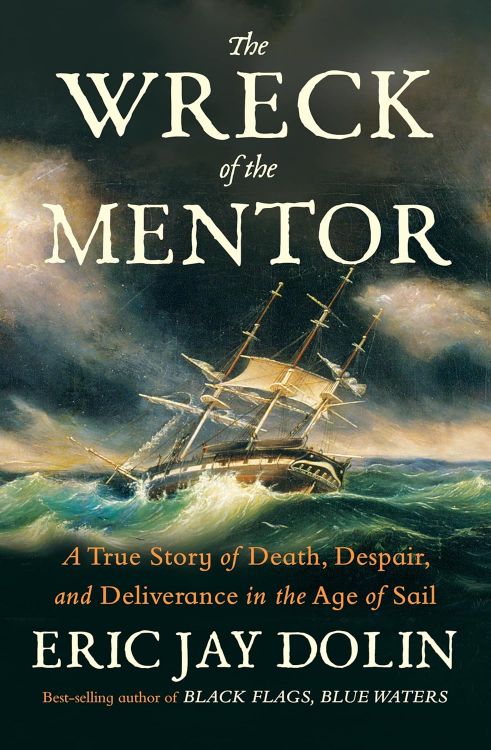
Eric Jay Dolin's The Wreck of the Mentor (Liveright, 288 pages) is the story of one ship's end that is also a fine introduction to maritime life of the early to mid-19th century. With its backdrop of berths and hulls, rudders, staysails, and waistboats, Dolin's book fits right in with the other recent chronicles of watery disasters, from David Grann's The Wager to Hampton Sides' The Wide Wide Sea. But The Wreck of the Mentor is not just for readers already committed to oceanic history. Dolin's exploration of the catastrophe, which details the lives of sailors shipwrecked in the Micronesian islands, offers an in-depth understanding of the impact whaling had on the 19th-century world. This story stretches all the way from Nantucket to Palau and, eventually, as far as showman P.T. Barnum's stage.
The Mentor was a whaler captained by Edward C. Barnard. The ship sailed from Massachusetts in July of 1831with 22 aboard. The youngest of them was 15, the oldest, 32. The captain was 31 years old at the time. Eight of the men had never been to sea before. One was Barnard's brother-in-law, a measure of the familial closeness of the whaling fraternity. The whalemen knew that sailing with the ship was risky, but, as Dolin writes, they "didn't dwell" on that. "The sailing of a whaleship was a time of optimism and hope, albeit leavened with a bit of apprehension and fear of the unknown."
This is how readers set out, too. Even those readers new to shipwreck books know something will go sideways (“Wreck” is in the title, after all), but we have our hope of a compelling adventure. That comes true, but at a price to the people whose story it is – and that isn’t just the shipwrecked sailors stranded on desert islands in isolation. Dolin explains how many others were involved with, and affected by, maritime disasters in the age of sail. There were former sailors on many islands, living as "beachcombers," who may not have had any plans or desire to leave. Others were awaiting rescue. Some were held captive, pawns in the battles of warring island tribes.
Dolin jumps around in time a bit, situating the Mentor in the context of other doomed whalers, such as the Antelope. Such context can come at a cost to the narrative. Though it helps readers comprehend the gravity of the sailors’ situation, sometimes the wrecks blend together. The fate of the Mentor's crew gets misplaced at times. On the other hand, these detours offer fascinating stories of their own, including those of the various people who either stayed of their own accord or were left on the islands. There