Authors:
Historic Era: Era 3: Revolution and the New Nation (1754-1820s)
Historic Theme:
Subject:
Summer 2026 | Volume 71, Issue 3


Authors:
Historic Era: Era 3: Revolution and the New Nation (1754-1820s)
Historic Theme:
Subject:
Summer 2026 | Volume 71, Issue 3


Our Founders profoundly transformed the way people participate in government.
Summer 2026 | Volume 71, Issue 3
Editor’s Note: The late Gordon S. Wood was one of the country’s pre-eminent scholars of the American Revolution. He had a wonderful way of writing simply yet profoundly, and won both the Bancroft and Pulitzer Prizes. When I asked him about his favorite defining moments in American history, he listed the appointment of John Marshall by John Adams, and promptly sent us an essay about it. Last year, Professor Woods told us would like to be published again in American Heritage, so we honor that wish with this essay that recently appeared in The Promise of America, a brilliant anthology of essays from the National Constitution Center by leading historians such as Wood.
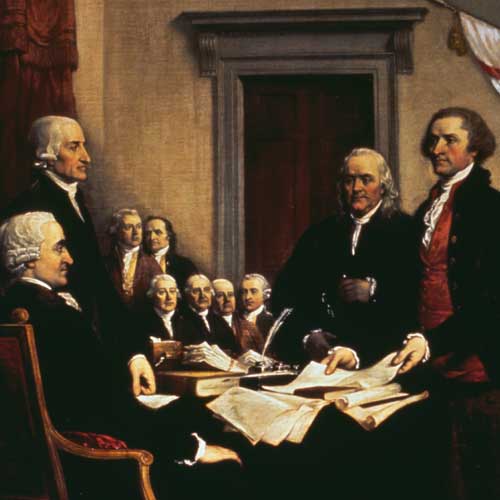
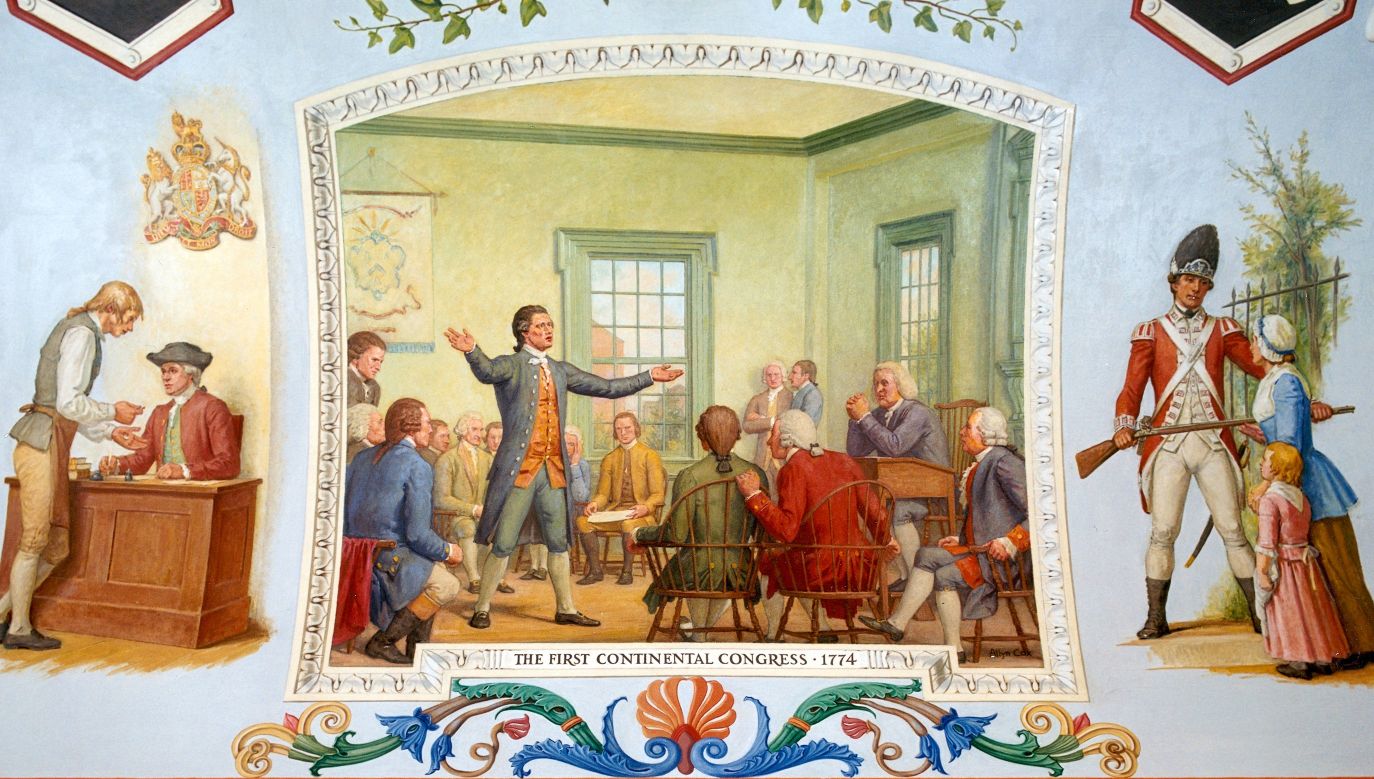
Among the many self-evident truths in the Declaration of Independence is the assertion that governments derive their just powers from “the consent of the governed.” By consent of the governed, the Americans in 1776 meant the people giving their consent to the actions of government through the process of representation, since outside of the tiny New England town meetings, no one believed the people at large could govern themselves.
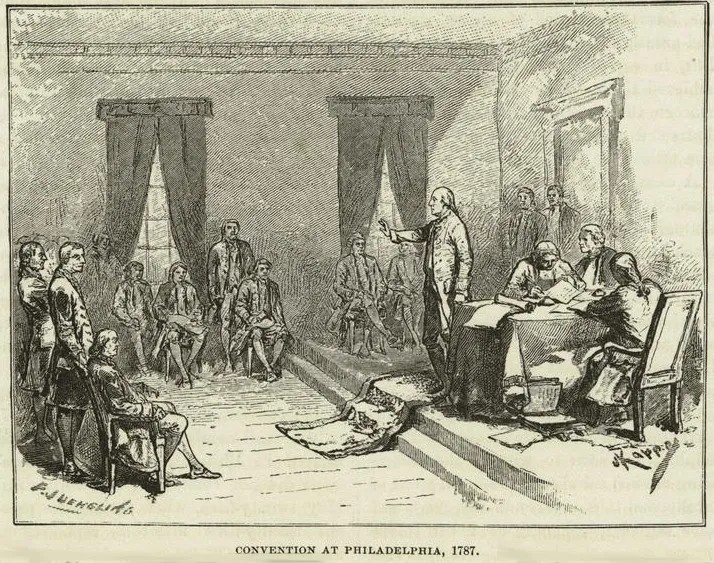
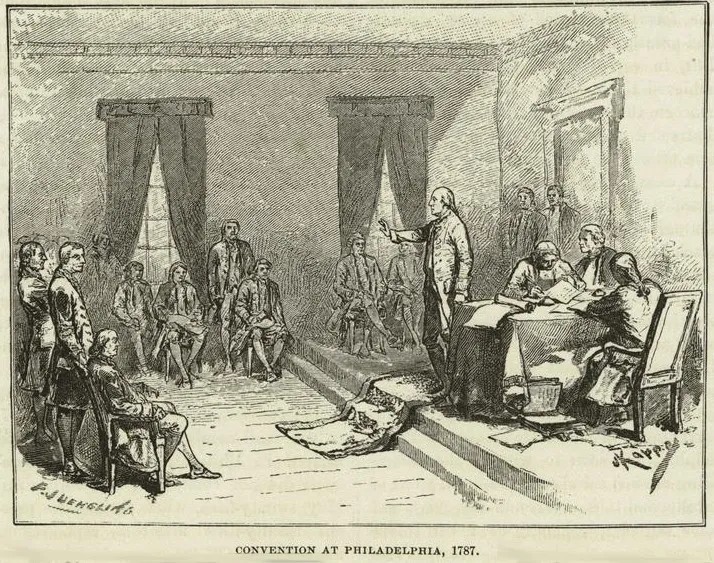
Consent through representation was one of the most important issues in the revolutionary era. Nearly all the great debates of the period, beginning with the imperial controversy in the 1760s and ending with the clash over the new U.S. Constitution in 1787-1788, were ultimately grounded in the problem of consent through representation.
Indeed, if representation is defined as the means by which the people participate in government, the fulfillment of a proper representation became the goal and measure of the Revolution itself – “the whole object of the present controversy,” as Thomas Jefferson put it in 1776.
Representation, therefore, could not simply be an issue between England and America; it had to be one among Americans themselves. In the years following the Declaration of Independence, Americans began fashioning a radically new conception of consent through representation, a conception whose implications were not fully drawn out until the debate over the new U.S. Constitution.
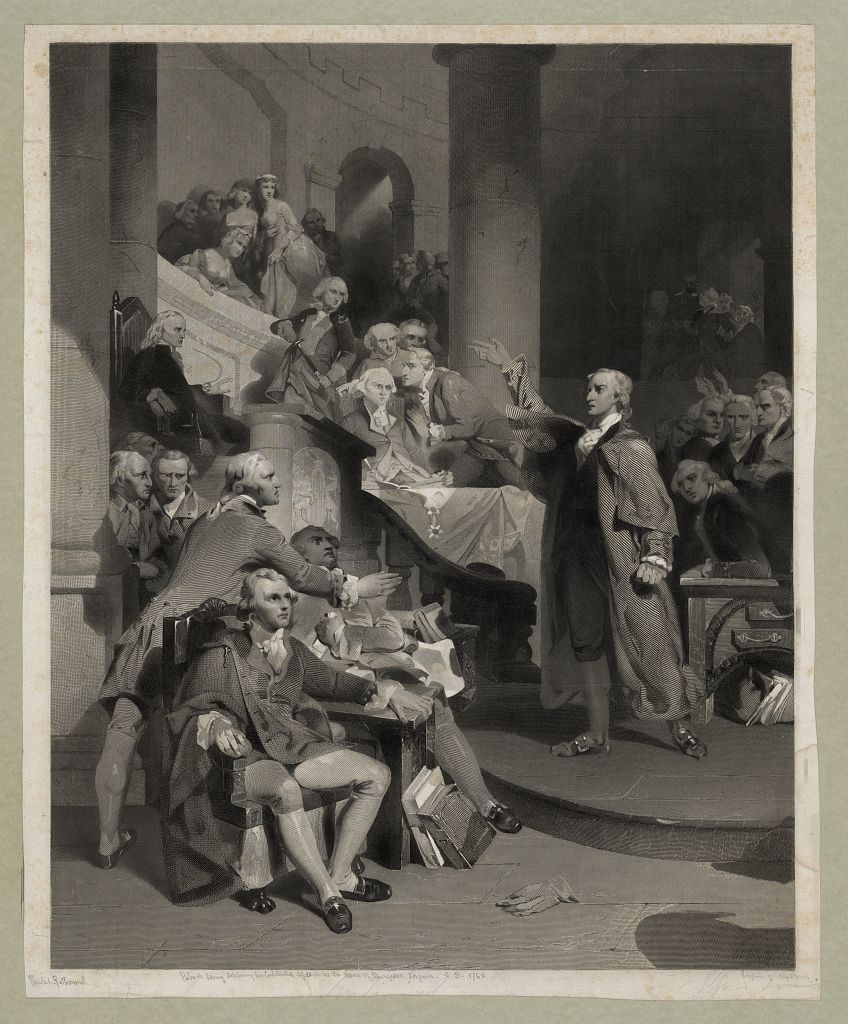
Serious discussion of consent through representation began with Parliament’s passage of the Stamp Act in 1765, which levied a tax on many colonial paper products. Both the colonists and the British shared the basic principle of English political culture that no one could have his property taken without his consent. The British assumed that the colonists were virtually represented in Parliament and thus had consented to the stamp tax. It didn’t matter to the British that the colonists hadn’t voted for any members of Parliament; many Englishmen didn’t vote either but were nonetheless represented.
Because of their confusing hodgepodge of electoral districts whose origins were lost in the mists of time, the British believed that election and comprehensible electoral districts