Authors:
Historic Era: Era 3: Revolution and the New Nation (1754-1820s)
Historic Theme:
Subject:
Summer 2026 | Volume 71, Issue 3


Authors:
Historic Era: Era 3: Revolution and the New Nation (1754-1820s)
Historic Theme:
Subject:
Summer 2026 | Volume 71, Issue 3


“And so old Mr. Adams is dead; on the 4th of July, too, just half a century after our Declaration of Independence...”
Summer 2026 | Volume 71, Issue 3
As July 4, 1826 approached, the country prepared for its national jubilee, the 50th anniversary of the signing of the Declaration of Independence. Americans swelled with pride in their nation and in the stirring manifesto that proclaimed that “all men are created equal” and “endowed by their Creator with certain unalienable Rights, that among these are Life, Liberty, and the pursuit of Happiness.”
Much had happened in the nation’s first 50 years. The country had prevailed in its war of independence, and its population had surged from two million to more than 10 million. The original 13 states had grown to 24, with the nation now stretching westward to the Mississippi River and beyond. Visionaries foresaw a country that would eventually span the continent to the Pacific Ocean.
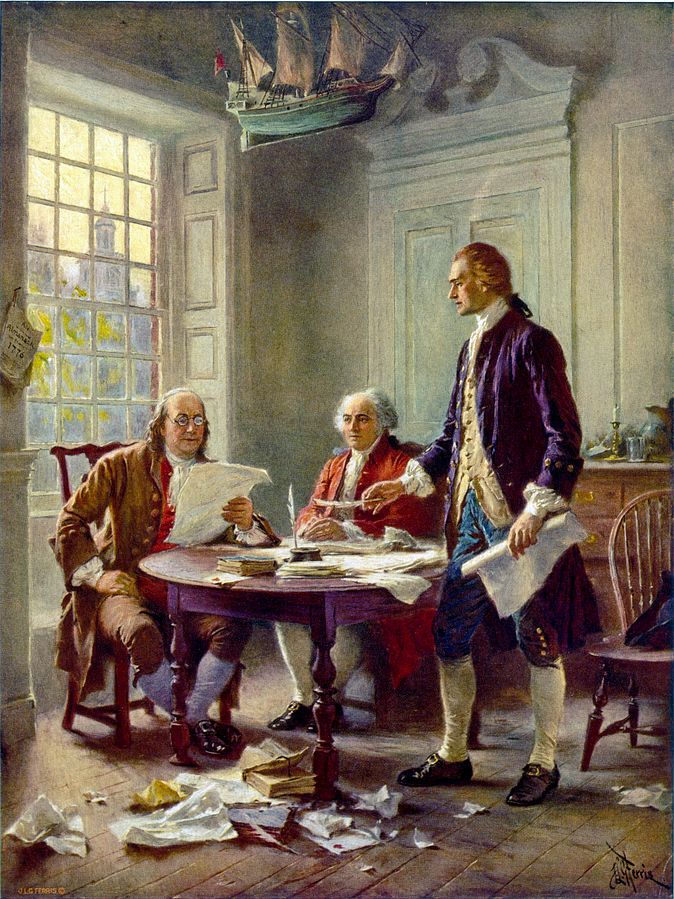
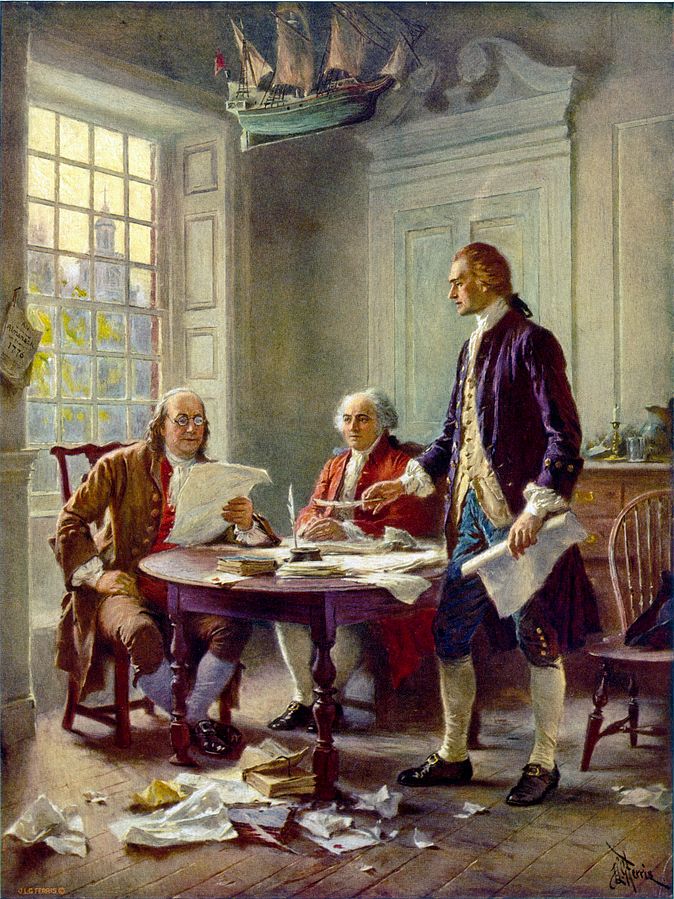
The men who signed the Declaration shared a close bond. In challenging the mightiest empire on earth, they had pledged to each other “our Lives, our Fortunes and our sacred Honor.” The 56 signers had ranged in age from 26-year-old Edward Rutledge to 70-year-old Benjamin Franklin, but time had taken its toll, and only three of the 56 remained: Thomas Jefferson, John Adams and Charles Carroll. Jefferson and Adams had an especially close tie to the Declaration. The former was its main author, while the latter was one of the five men the Continental Congress had chosen to finalize Jefferson’s draft.
Two of the largest jubilee celebrations were planned for Washington, D.C., the seat of government, and New York City, the country’s largest city. In Washington, a parade of military and government officials would proceed from Lafayette Square to the Capitol, where the Declaration would be read. Fireworks would cap off the day. In New York, a procession and fireworks were also planned. Two oxen were to be roasted, and attendees would partake of “(b)utts (casks) of beer…, and bread and cheese, with other proper condiments.”
Both cities sent invitations to the three surviving signers, whom a Washington, D.C., newspaper called “men so conspicuous for their public worth and services, and so elevated in the affections of the country.” They were cherished as the last living links to the Declaration. While age and the rigors of travel made their attendance unlikely, their thoughts and memories were sharp and focused.
See more: “July 4 in 1826” by L. H. Butterfield in the June 1955 issue of American Heritage
The 83-year-old Jefferson declined the invitations “(w)ith my regret that ill health forbids me the gratification of an acceptance.” He noted sadly that “(i)t adds sensibly to the sufferings of sickness, to be deprived by it of a personal participation in the rejoicings of that day.”
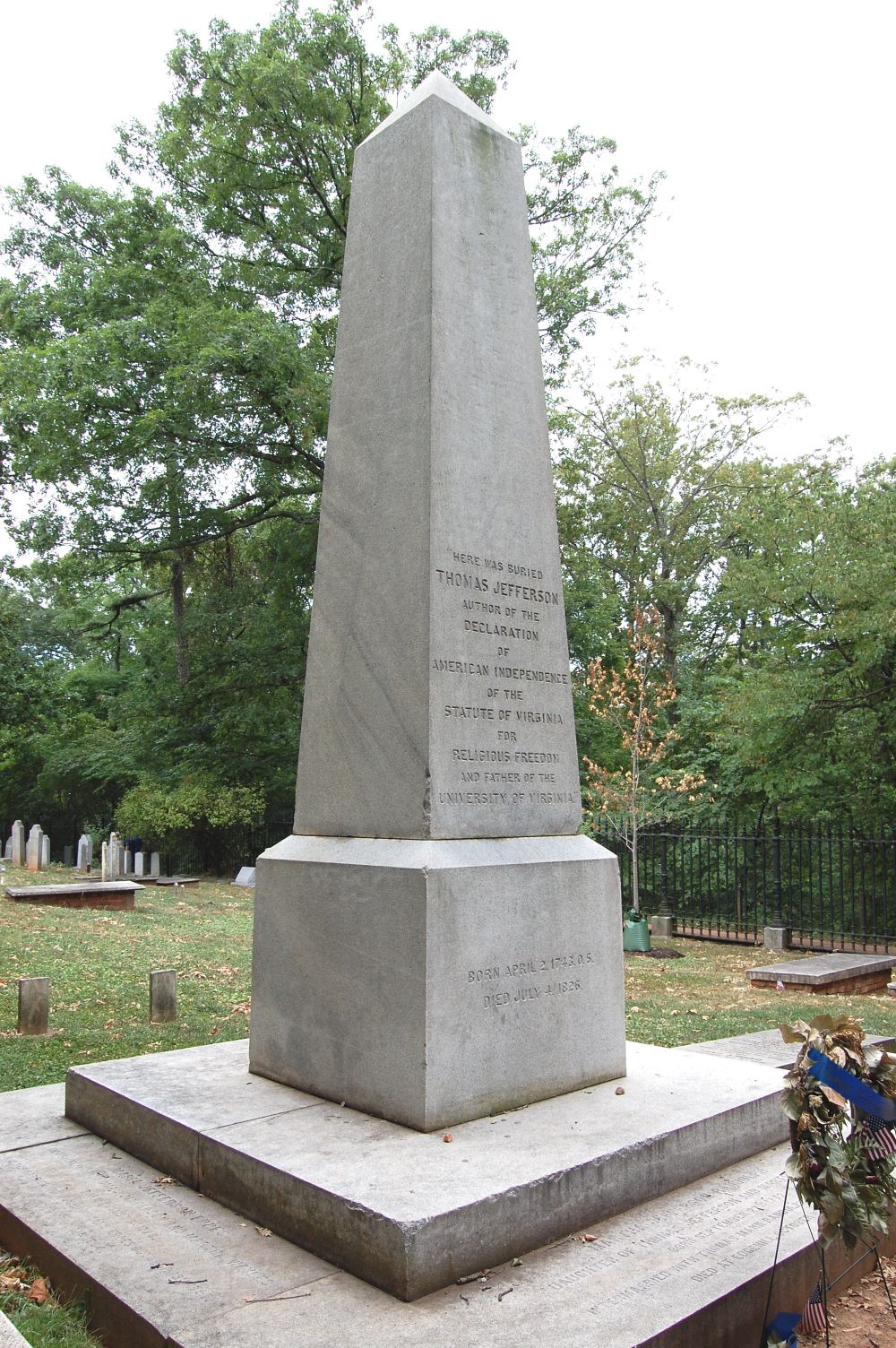
Jefferson longed, he wrote, to gather once more with the other living signers, “the remnant of that host of worthies, who joined with us on that day, in the bold and doubtful election we were to make for our country, between submission or the sword.” He took comfort, he said, in “the consolatory fact, that our fellow citizens, after half a century of experience and prosperity, continue to approve the choice we made.”
The 90-year-old Adams also sent his regrets, lamenting that “the present state of my health forbids me to indulge the hope of participating.”
Adams proudly called the jubilee “an event sanctioned by fifty years of experience” and hoped the anniversary of the Declaration’s signing “will become memorable by its increasing age, in proportion as its success shall demonstrate the blessings it imparts to our beloved country, and the maturity it may attain in the progress of time.” He harbored, he wrote, “(v)isions of future bliss in prospect, for the better condition of the human race, from this unparalleled event.”
Carroll, 78, could not attend, either. “The fatigue of such a journey, at my advanced age, and in this sultry season, discourages me from the attempt,” he explained.
By the afternoon of the jubilee, as joyous celebrations took place across the nation, the day became tinged with sadness, although most of the country would not learn of it for several days.
At 12:50 p.m., Jefferson died at his home at Monticello in Virginia. He had been in failing health but had clung to life until the jubilee, “gratified in his only wish, that this day and hour should be the moment of his death,” his grandson Thomas J. Randolph wrote that day. Jefferson had passed, Randolph noted, “as he lived, the same calm, serene, benevolent great man.”
About five hours later, Adams died at his home in Quincy, Mass. On his deathbed that afternoon, he had heard the roar of the cannons from his hometown’s celebration. When told it was the jubilee festivities, he replied, “It is a great and glorious day.” Perhaps the celebratory sounds brought his thoughts back to a letter he had written 50 years earlier expressing his hope that the annual anniversary of the Declaration’s signing would become “solemnized with pomp and parade, with shows, games, sports, guns, bells, bonfires and illuminations, from one end of this continent to the other, from this time forward, forevermore.”
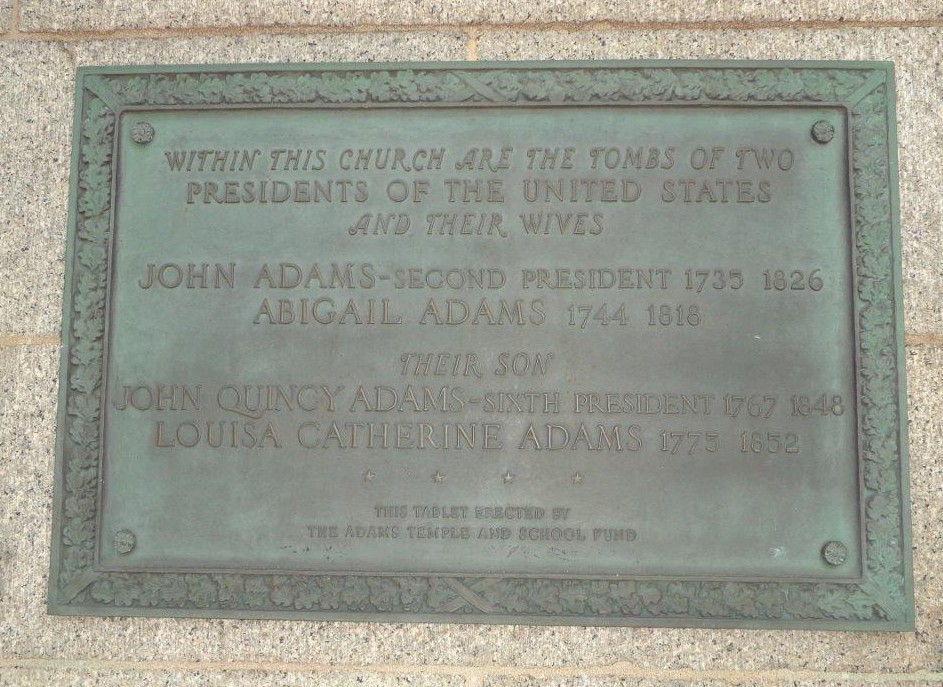
Across the country, newspaper editors and eulogists were stunned that two of the most distinguished signers had both died on the 50th