Authors:
Historic Era: Era 7: The Emergence of Modern America (1890-1930)
Historic Theme:
Subject:
Spring 2026 | Volume 71, Issue 2


Authors:
Historic Era: Era 7: The Emergence of Modern America (1890-1930)
Historic Theme:
Subject:
Spring 2026 | Volume 71, Issue 2


New scrutiny questions the record of Woodrow Wilson, long thought to be one of our greatest presidents.
Spring 2026 | Volume 71, Issue 2
Editor’s Note: Christopher Cox has served as a White House counsel, the fifth-ranking leader in the U.S. House of Representatives, and chair of the Securities and Exchange Commission. Subsequently, while working as a corporate attorney, consultant, and board member, Cox spent 14 years researching and writing a formidable new biography, Woodrow Wilson: The Light Withdrawn, published by Simon & Schuster. Mr. Cox adapted and supplemented portions of the book in the following essay.
A century after his death, Woodrow Wilson remains enormously consequential. Few Americans have had a more enduring influence on their nation’s history. Although his active presidency was cut short by tragic illness, his legislative legacy continues to shape American life in the 21st century. The progressive income tax, the Federal Reserve, the Federal Trade Commission, the National Park Service, the Clayton Antitrust Act – all were signed into law by the twenty-eighth president.
Even after Wilson’s death, the momentum of his idealism and vision for the League of Nations remained sufficiently strong to lead to the creation of a successor global institution, the United Nations, which is still very much with us. “It is above all to the drumbeat of Wilsonian idealism that American foreign policy has marched since his watershed presidency and continues to march to this day,” Henry Kissinger observed in 1994.
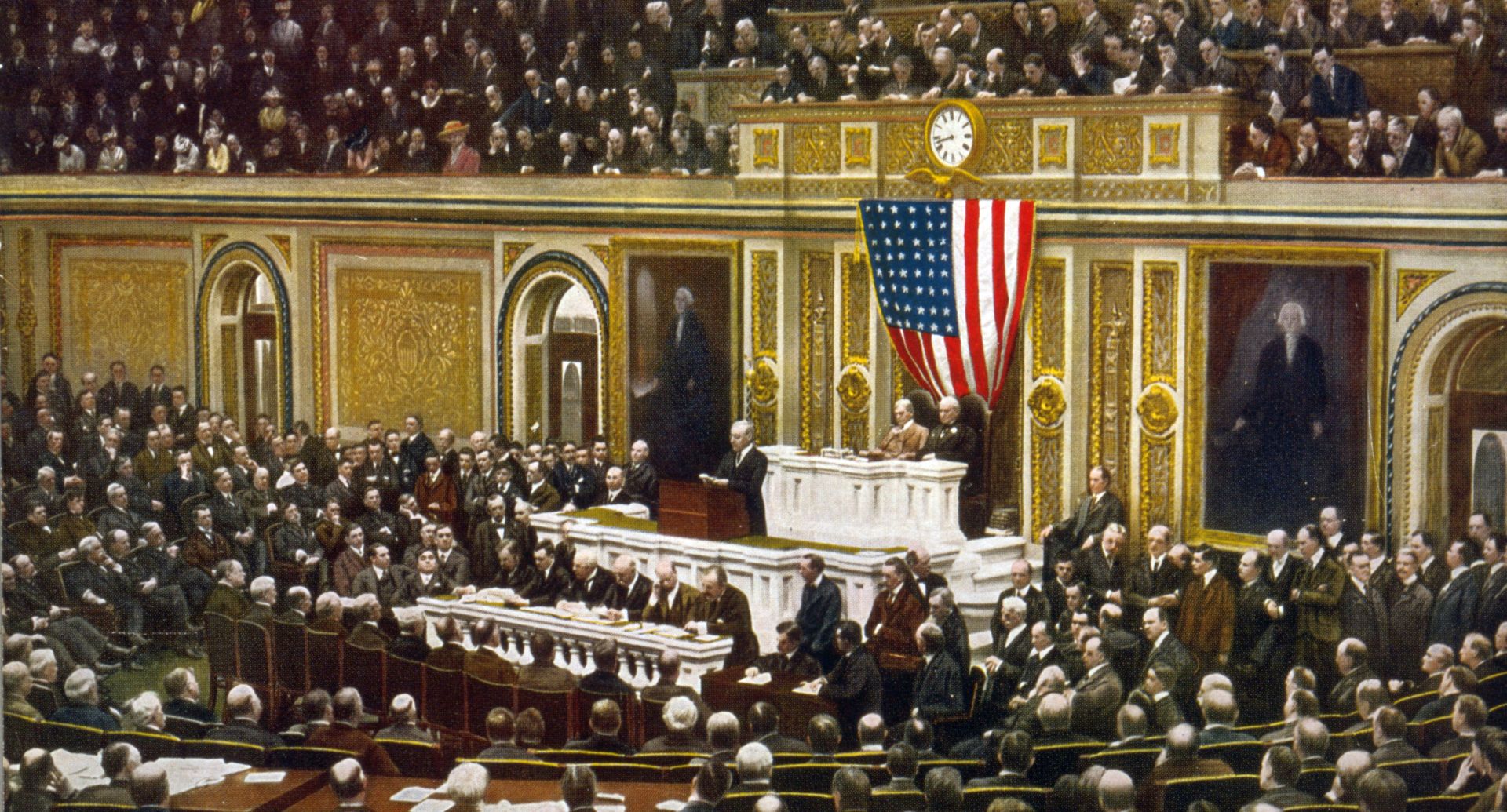
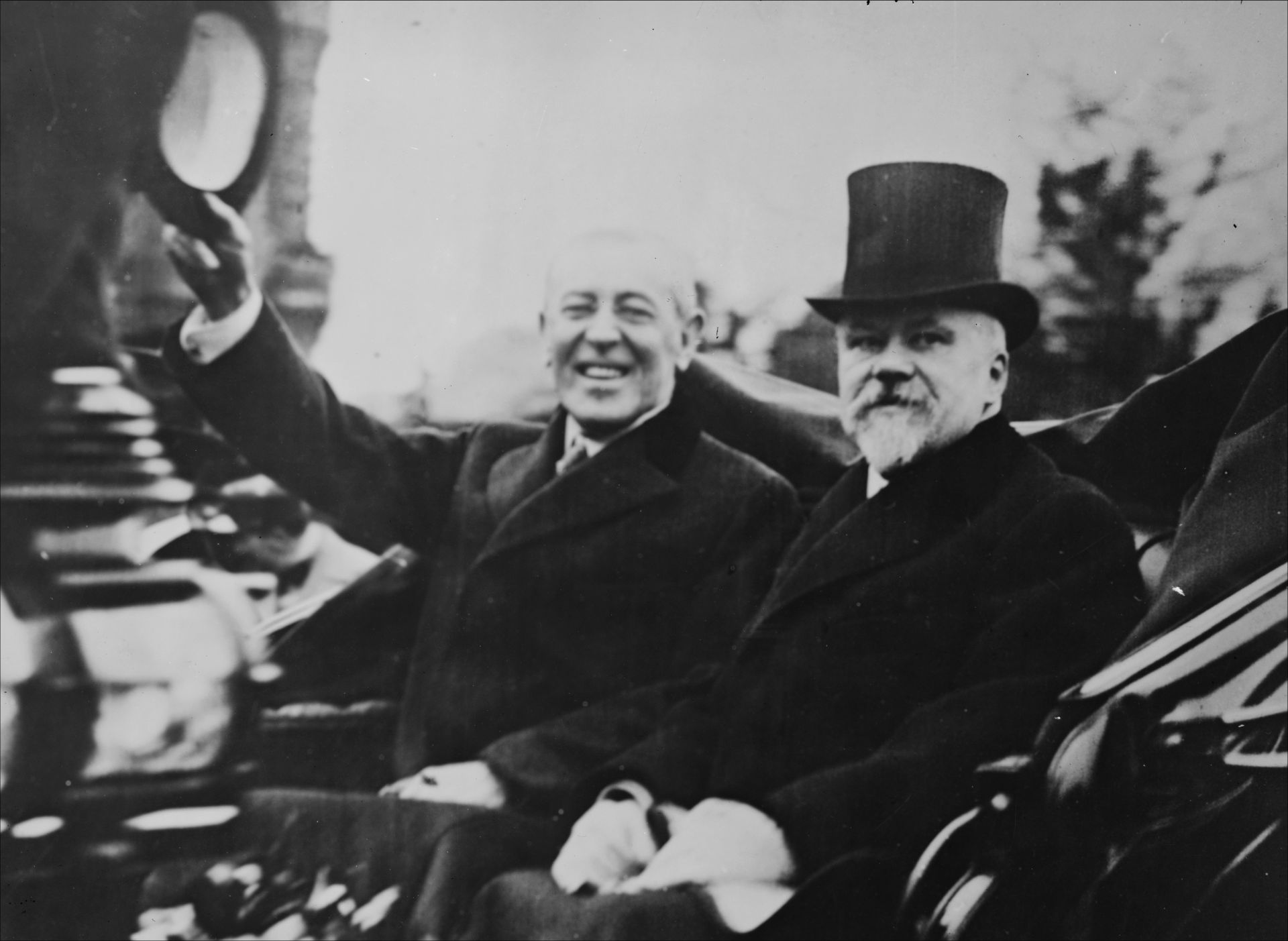
As a wartime president, Wilson was idolized by the citizens of London, Paris, and Rome, where millions gathered to receive him as a hero when peace finally dawned. People continue to be fascinated by his story, bookended by his spectacular rise from academia to the White House within the span of barely two years, and his equally spectacular fall marked by the dual tragedies of losing his fight for the League of Nations in 1919 and then losing his life to arteriosclerosis and its sequelae in 1924. In our own age – when few politicians seem able to demonstrate either good manners or grammatical English – Wilsonian eloquence and public propriety ring down through the ages as exemplars.
Over two thousand books have been written in English about Woodrow Wilson, with many others in French, German, Japanese, Russian, and more languages. From the outset his biographers portrayed him as a heroic figure, focusing on what they saw as the