Authors:
Historic Era:
Historic Theme:
Subject:
Winter 2026 | Volume 71, Issue 1



Authors:
Historic Era:
Historic Theme:
Subject:
Winter 2026 | Volume 71, Issue 1


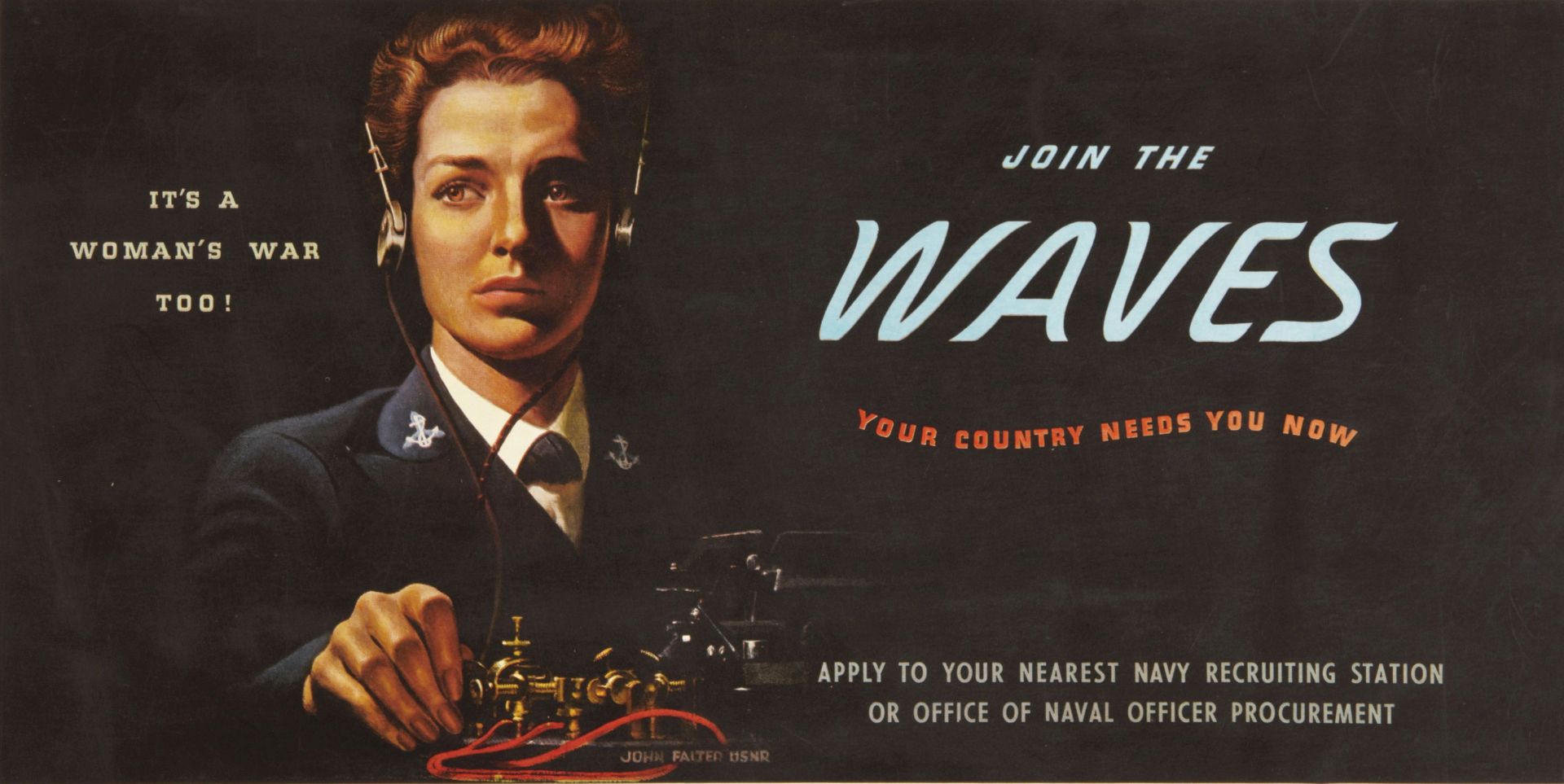
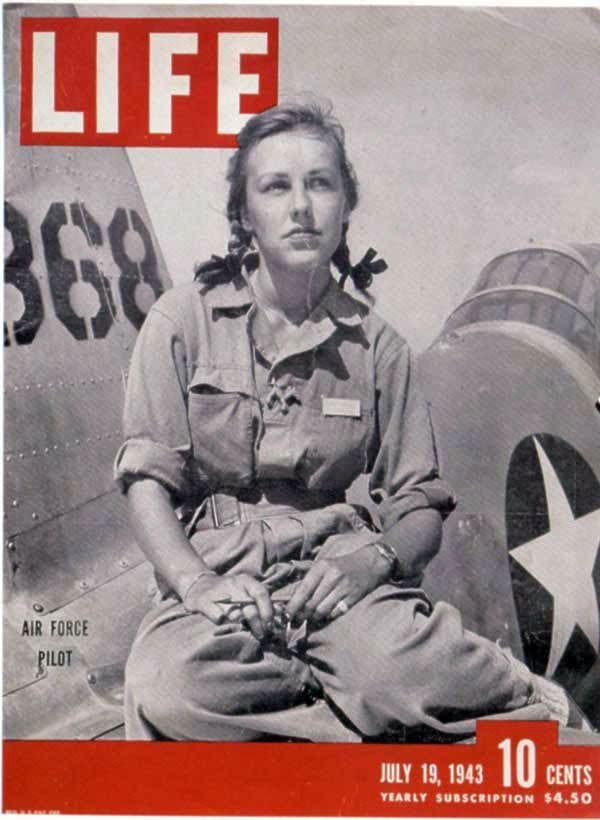
An estimated 350,000 women filled critical military roles during World War II, from the Women's Auxiliary Corps to the Women's Air Force Service Pilots.
Winter 2026 | Volume 71, Issue 1
Editor’s Note: Lena Andrews is an Associate Research Professor at the University of Maryland School of Public Policy and previously was a military analyst at the Central Intelligence Agency. Recently, she has published a fascinating book, Valiant Women: The Extraordinary American Servicewomen Who Helped Win World War II, on the important work of women during the war. Portions of this essay were adapted from that book.
“Women,” wrote Eleanor Roosevelt that year, “are a weapon waiting to be used.”
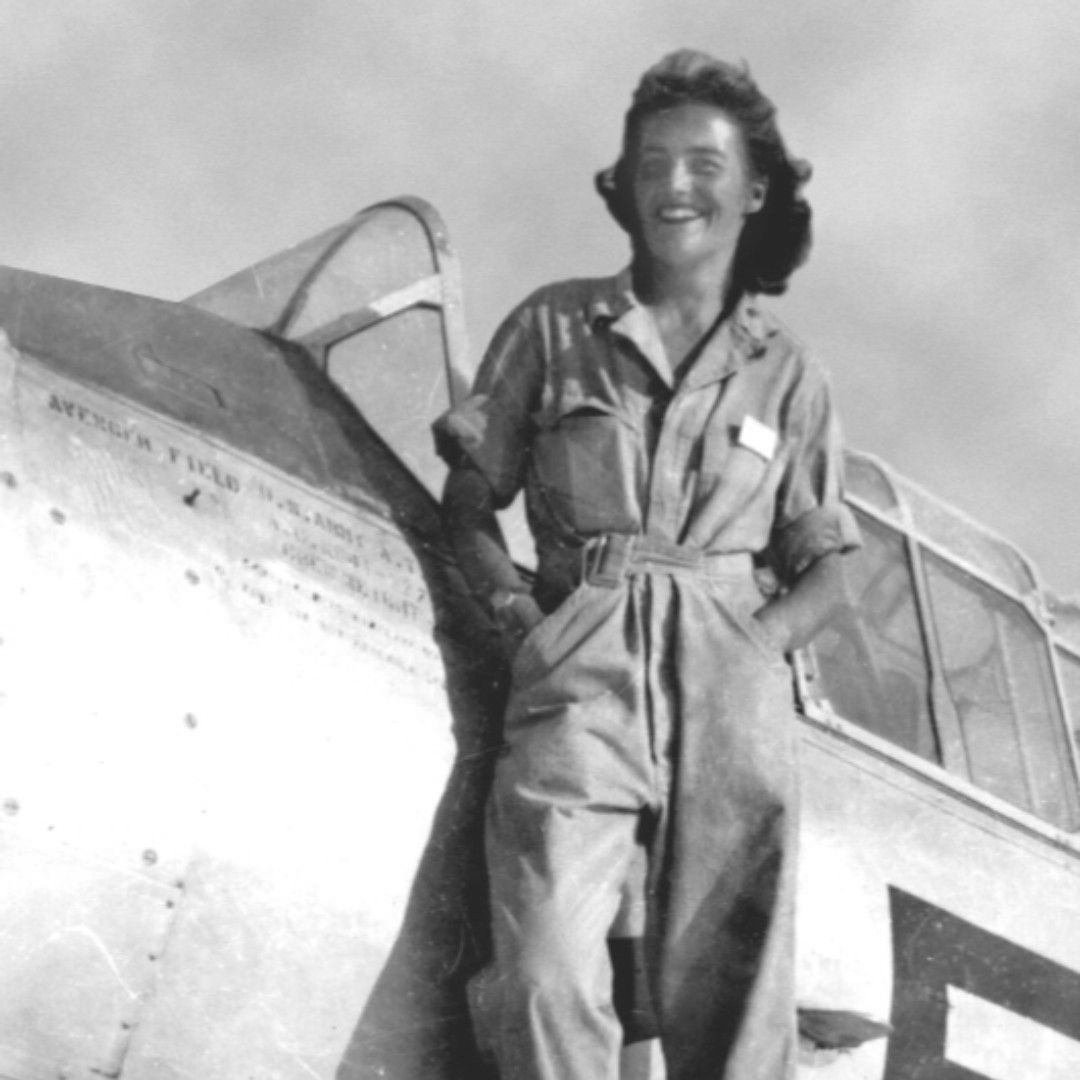
Ann Baumgartner, having achieved her dream of becoming a pilot, agreed. From the moment in 1941 when she stepped into a plane on a small airfield twenty-five miles outside Newark, New Jersey, she knew in her bones that flying would allow her to make a difference in the war. “I was eager to be off to try to do my part in the war,” she remembered.
Although there was little public discussion of women joining the armed services when Baumgartner started flying, she reasoned that she should be prepared for the eventuality. Her first step was to get a pilot’s license. This was no small feat. A license required two hundred hours of flying time, which was difficult to come by under normal circumstances and near impossible in 1941 with so many men being trained for the Air Force at civilian airfields. But Baumgartner would not be dissuaded from her calling. “This is what I was made for,” she thought to herself. Imagining the adventures she might one day have, she recalled, “I could not sit still. I circled round and round the room, imagining dangerous wartime rescues.”
While the idea of women pilots remained at the extreme end of the American imagination, by the time the United States entered World War II, the notion of women serving in uniform was hardly unprecedented. Thousands of women had served in the military, primarily as nurses, since at least the American Revolution, and, by the end of World War I, the Army was actively considering a proposal to formally integrate women in a wider range of positions.
The notion even garnered the support of World War I general John J. Pershing — notorious for his strict discipline, demanding standards, and ability to inspire fear and loyalty in equal measure — who himself had requested a detachment of women to join his command as translators and telephone operators. The Navy had been equally supportive of women in uniform during World War I, authorizing a small corps of several thousand “Yeomanettes” to provide clerical assistance at naval bases across the country.