Authors:
Historic Era: Era 8: The Great Depression and World War II (1929-1945)
Historic Theme:
Subject:
Spring 2020 | Volume 65, Issue 2



Authors:
Historic Era: Era 8: The Great Depression and World War II (1929-1945)
Historic Theme:
Subject:
Spring 2020 | Volume 65, Issue 2


In 1942, over a quarter of a million ordinary citizens volunteered to help defend our country as Nazi submarines terrorized the East Coast and Caribbean waters, sinking fuel tankers and cargo ships with near impunity.
Spring 2020 | Volume 65, Issue 2
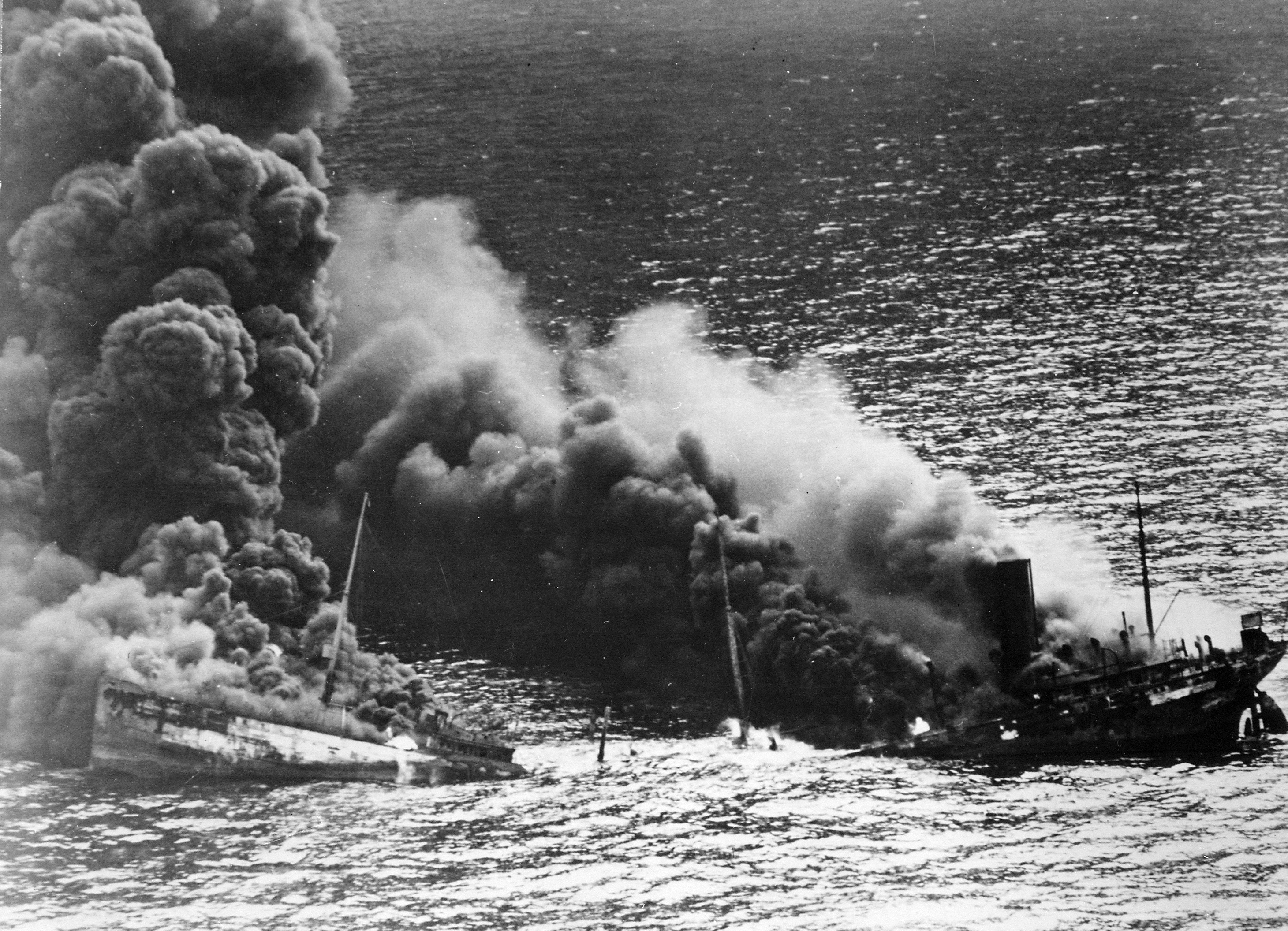
The killing machine known as Unterseebooten-507 skulked, undetected, through the murky yellow water at the mouth of the Mississippi River, practically within shouting distance of the Louisiana shore. Six full months after Nazi Germany’s declaration of war against the United States, not a single airplane – military, civilian, or otherwise – was surveilling Chandeleur Sound as U-507 crept closer and closer to the mainland.
On orders from Kriegsmarine U-boat Admiral head Karl Dönitz, U-507 and her insidious partner, U-506, had spent the previous two weeks pummeling merchant ships in the Gulf of Mexico. Hitler and Dönitz were hellbent on using submarine attacks to undercut American morale and undermine the Allies’ capacity to wage war.
In her 12 days in the Gulf, U-507 alone had sunk eight freighters, four of them oil tankers, inflicting hundreds of casualties. Beachcombers from Brownsville to Biloxi watched in horror as human remains washed ashore amid boat wreckage and oil slicks. Just as they had up and down the East Coast, Nazi submarines were spreading panic in the Gulf, triggering shrill headlines (“WAKE UP, GALVESTON!”) and sparking fears of Fifth Column saboteurs signaling enemy ships from coastal hideaways.
Now, a few minutes after three o’clock on Tuesday afternoon, May 12, 1942, the 245-foot leviathan – nearly three-fourths the length of a football field – was again waiting to strike, this time submerged in shallow water. Just eight meters separated her hull from Delta muck. The Gulf churn was unusually calm, unbothered by a light breeze. The skies were clear; so was the view from U-507’s periscope.
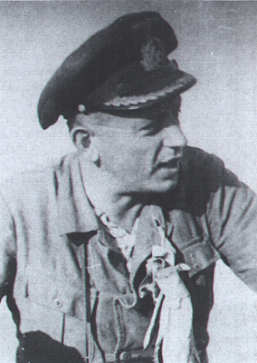
Moments before, her skipper, Korvettenkapitäin Harro Schacht, had glimpsed through his ‘scope a pair of U.S. Navy patrol craft hovering close to shore. But Schacht didn’t budge: he knew from intelligence reports – quite possibly fashioned by Nazi Germany’s one-time consul-general in New Orleans, Baron Edgar von Spiegel, who had taken copious notes while on prewar “fishing trips” – that fat pickings were likely to appear at the mouth’s Southwestern Pass.
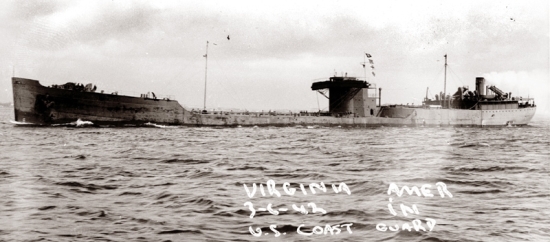
Soon enough, Schacht spotted the S.S. Virginia, an unescorted and unarmed 10,000-ton tanker that in Baytown, Texas, had been loaded with 180,000 barrels of gasoline. Before heading upriver to Baton Rouge, the Virginia had anchored abreast a buoy, waiting on a pilot to be ferried from